
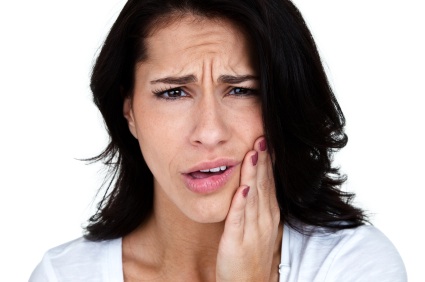
What causes TMJ-related jaw pain and headaches, and how can treating it early protect your teeth and save you from costly dental repair bills later?
What if the headache you keep blaming on stress is really your jaw sending a warning, one that could end with worn, cracked teeth and a stack of dental bills? Mason Dental Care treats TMJ disorder for patients throughout Mason, and Dr. Dan Hillis helps people find relief from jaw pain, headaches, and discomfort caused by temporomandibular joint disorder (TMD). Treating TMJ early is often gentler on your body and your budget than repairing the damage it leaves behind.
What Is the TMJ and Why Does It Matter?
The temporomandibular joint connects the jawbone to the skull, allowing you to chew, speak, and move your jaw freely. When this joint becomes strained or misaligned, TMD can develop. Because the joint works constantly throughout the day, small problems have a way of growing into larger ones.
What Triggers TMJ Trouble?
Teeth grinding or clenching, often called bruxism, is a common cause, along with a misaligned bite, trauma to the jaw, head, or neck, and stress-related muscle tension. Many of these causes also place direct force on the teeth, which is exactly where restorative dental costs begin.
Which Symptoms Are Easy to Overlook?
Chronic headaches, jaw pain or tenderness, and clicking or popping when opening or closing the mouth often go unnoticed as TMJ symptoms. Difficulty chewing, a bite that feels off, tinnitus, facial pain or swelling, and episodes of jaw locking can follow. Because these symptoms vary so widely, the root cause is hard to pinpoint, and many people wait too long to seek care.
How Does TMJ Quietly Damage Your Teeth?
Grinding, clenching, and an uneven bite put constant pressure on tooth enamel and structure. Over time, that pressure leads to wear, chips, and cracks that require restorative treatment. The jaw problem is the cause, and the dental damage is the expensive result.
What Does the Restorative Bill Look Like?
The progression typically moves from a strained joint to worn or damaged teeth, then to restorative treatment meant to repair them. Repeated appointments cost time and add stress, and repairs may not last if the grinding continues untreated. Addressing the underlying cause helps protect your investment in any future dental work.
When Should You Seek Care?
If symptoms interfere with eating, daily life, or sleep, it is time to see a professional rather than wait for the condition to worsen. Mason Dental Care builds personalized treatment plans that address the root cause of TMD for lasting relief.
How Do Custom Bite Guards Protect Your Smile?
Custom bite guards shield teeth from grinding damage, relieve pressure on the TMJ, and promote proper jaw alignment. Each guard is made to fit the patient's mouth for comfort and effectiveness, offering an affordable way to help prevent far more costly restorations down the road.
Can Botox Help With TMJ Relief?
Botox relaxes overactive jaw muscles, which can reduce jaw pain and tension while minimizing grinding, clenching, headaches, and migraines. Calming these muscles reduces the force placed on your teeth every day.
What Is Epigenetics Orthodontics?
This holistic, non-surgical method focuses on naturally balancing the jaw, improving the temporomandibular joint, and expanding the airway. It addresses the underlying causes of TMD for long-term relief and improved overall health, fitting naturally into Dr. Hillis' extensive TMJ training.
Take the First Step Toward a Pain-Free Smile
TMD rarely stays contained to the jaw, and early care helps protect both your comfort and your teeth. Contact Mason Dental Care to schedule a TMJ evaluation with Dr. Hillis. Mason residents can find effective, non-surgical relief close to home and avoid costly repairs later.
Contact Mason Dental Care:
513-336-8510
Location (Tap to Open Google Maps):
6499 Mason Montgomery Rd,
Mason, OH, 45040


